The most expensive moment in payments
Thirty years in payments, and I still could not tell you whether I had been defrauded or had simply bought something. It was a parking app.
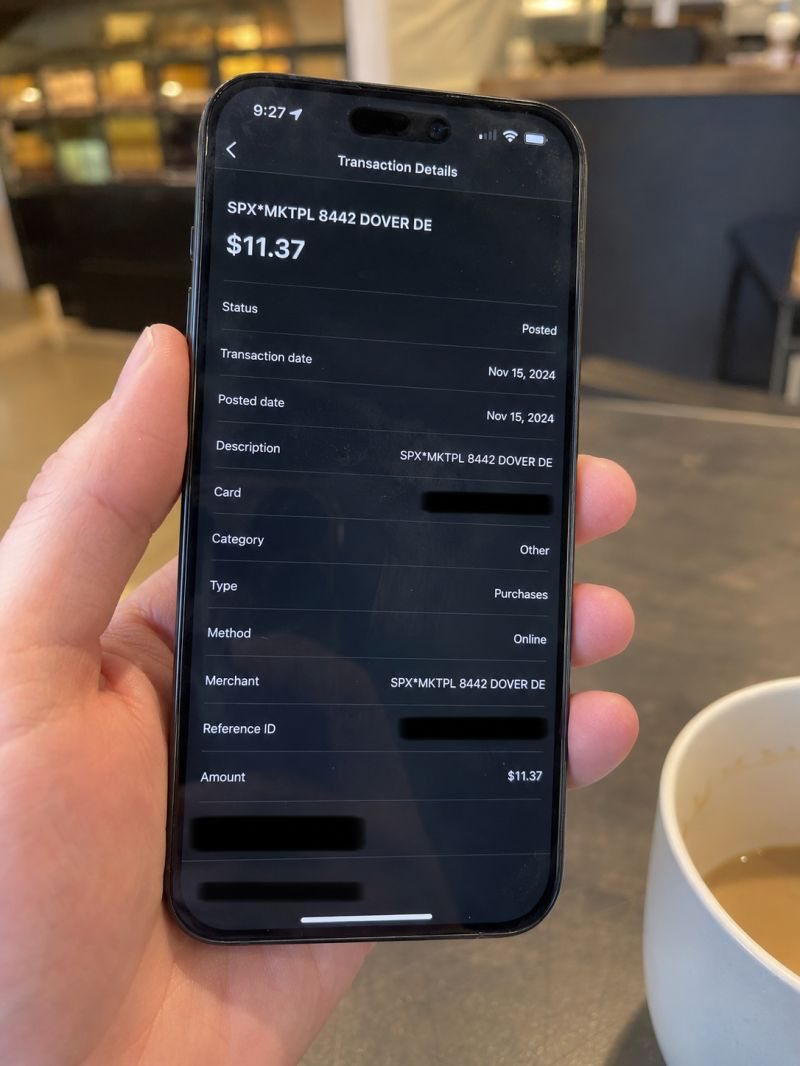
Last month I stared at a charge on my own credit card statement for a solid minute.
“SPX*MKTPL 8442 DOVER DE.”
Eleven dollars and change. It’s so small, why should I worry, why should I care? But I always think about that Richard Pryor character in Superman III who skimmed pennies from unassuming cardholders and I can never let it go.
I’ve spent thirty years in payments. I co-founded two companies built around disputes. And I sat there, my perfectly balanced coffee going cold, genuinely unsure whether I’d been defrauded or had simply bought something.
It was a parking app. I was in Delaware for a wedding. I remember now the parking garage unattended POS, it was very confusing. Not intuitive at all.
Now think about what a regular cardholder does in that minute. They don’t audit their inbox. They don’t take a full minute to interrogate their memories, to remember. They just tap the button their bank helpfully placed next to the transaction: “Don’t recognize this charge?”
“We have industrialized the consequences of confusion instead of curing the confusion itself.”
And downstream, an entire industry wakes up. Alerts fire. Case files open. Representment packages get assembled. Somewhere, a merchant eats a chargeback on a sale they made honestly.
We call it “friendly fraud”. But most of it - more than half - isn’t fraud at all. It’s manufactured confusion. A recognition gap between what a merchant calls itself and what the statement says.
And here’s the uncomfortable part for those of us who’ve made careers in this space: we have industrialized the consequences of confusion instead of curing the confusion itself.
Alerts, deflection, rule changes, compelling evidence frameworks — I helped build some of that machinery, and it works. But all of it operates after the moment of doubt. Every dollar this industry deploys sits downstream of a problem that begins with a string of characters a cardholder can’t read.
The root cause has been sitting in plain sight for forty years. On every statement. In every dispute file.
The most expensive moment in payments is the second a cardholder doesn’t recognize a charge.
Everything after that moment is cost. We have gotten brilliant at managing the cost. We have not gotten serious about the moment.
I think that’s finally about to change.
My coffee is long finished, but I remember the feeling of squinting at my own statement. Thirty years in, and it still couldn’t tell me what I bought. If it can confuse me, what chance does your cardholder have?